
Whether you are 3 months anew or 103 years advanced, your age doesn’t define you when you’re able to do the things you love. That means getting older doesn’t mean slowing down—it means training smarter. Age is just a number, but maintaining strength, balance, and mobility through functional movement keeps you doing what you love at any stage of life.
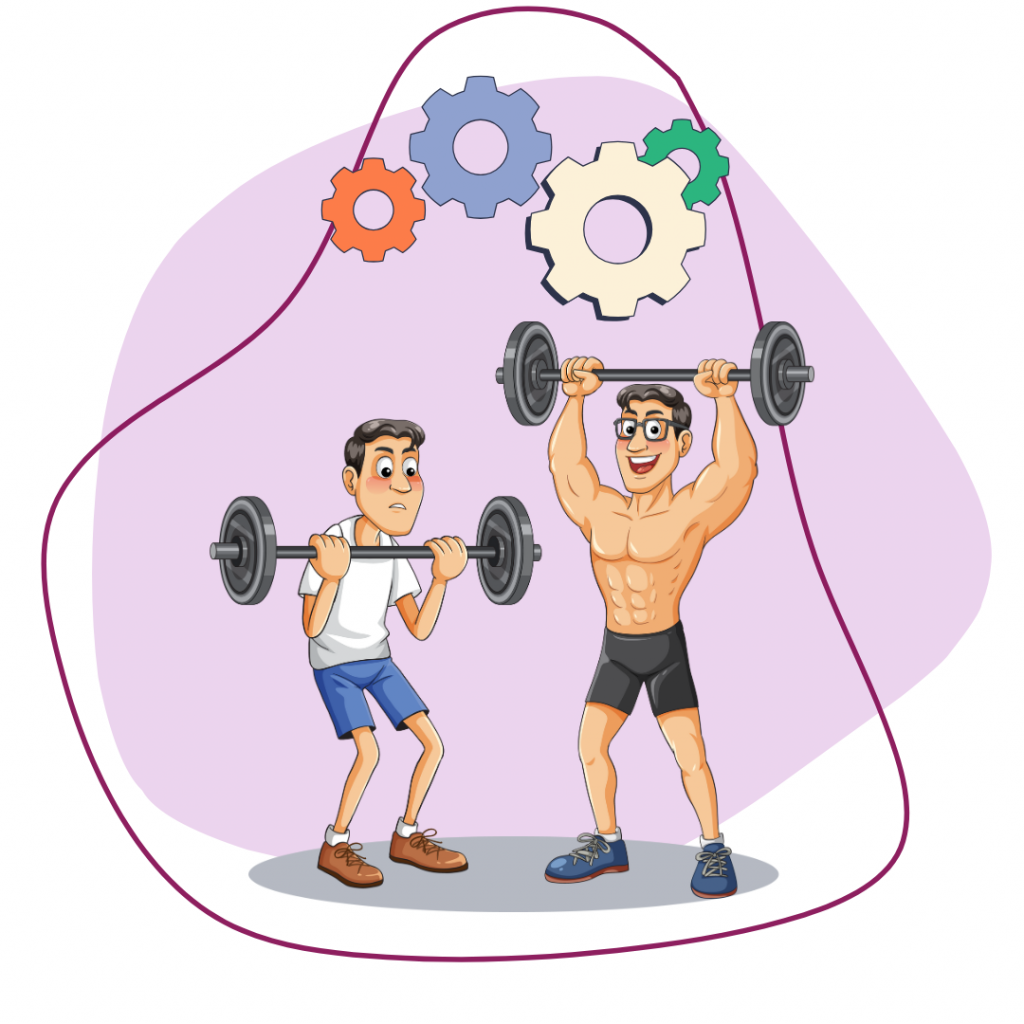
There are different ways to measure “age”. Chronological age is how long you have been on Earth while physiological age looks at how your body ages at a cellular level. The third way to measure is by calculating a “functional age”. This takes activities and measures your muscular strength, muscular endurance, and lung capacity (VO2 max).
This means you may be a chronological age of 60 but with a functional age of 45. You could alternatively have the chronological age of 40 and have a functional age of 70. It all depends on how you work your body and how your body grows, heals, and functions. As always, the gold standard for maintaining functional ability is by exercising a few times a week and maintaining muscle mass and bone density. These factors grow increasingly important as we age to slow degeneration in tissues.
Exercising to maintain or even increase your functional movement builds resilience, reduces injury, and supports independence. Then your abilities will prove that vitality isn’t defined by the years behind you.
Happy moving, healthy aging,
Dr. Cole Maranger
For further reading on functional age and physiological measures, read the article at: https://pubmed.ncbi.nlm.nih.gov/3553836/