
One of the most common patient complaints that we see at Westside Chiropractic is back pain that travels down the leg. Whether from a big lift at the gym, a workplace injury, or just something that flares up over time, the question of “what is causing my leg pain?” is one that is commonly asked. This article is going to differentiate the signs and symptoms of sciatic nerve irritation (commonly named sciatica) vs the sacroiliac (SI) joint pain.
Let’s begin by explaining some of the anatomy of the low back and pelvis:
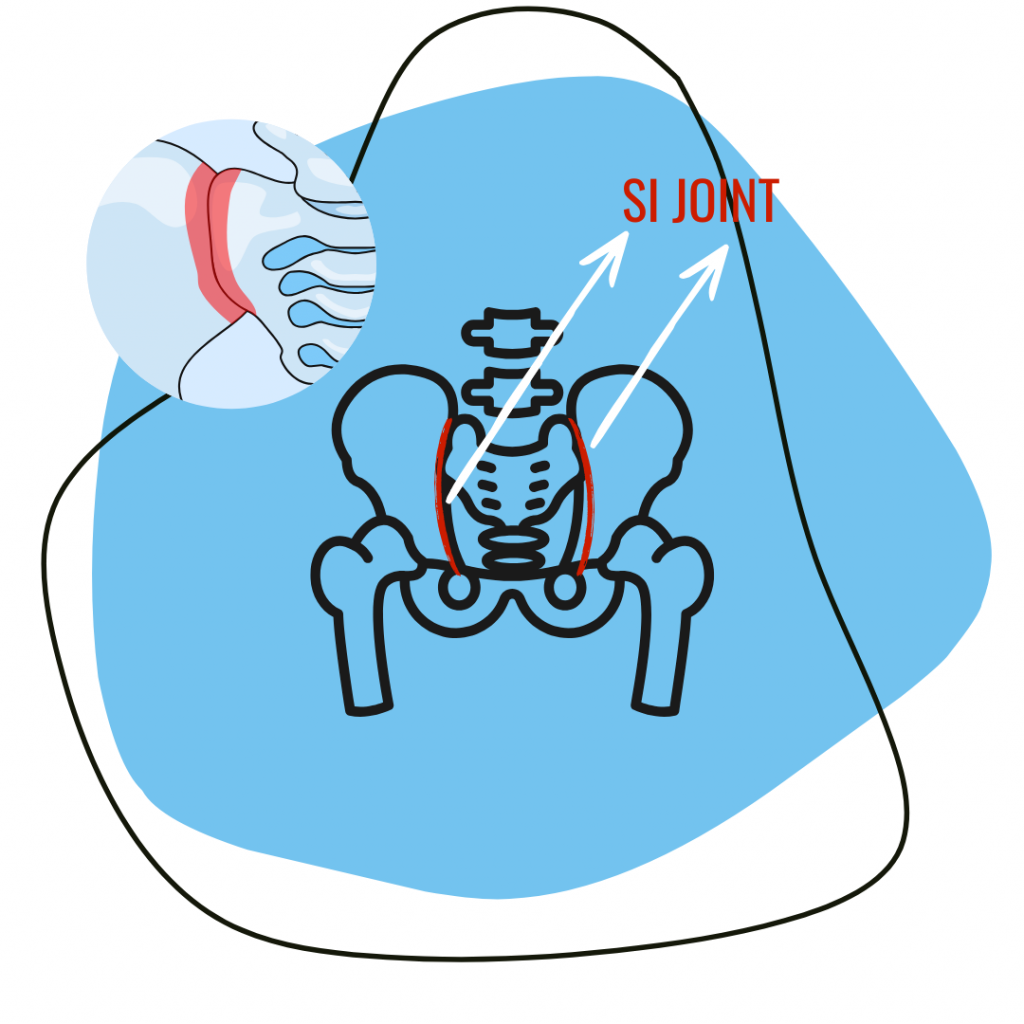
The SI joints are located at the base of the spine where the hip bones connect to the tailbone. The joints allow for the pelvis to shear and absorb the force that goes from the legs to the back. The SI joints have a large surface area at the base of the spine with many of the nerves that travel across the pelvis and down the leg alongside it. The sciatic nerves are the biggest nerves in the body and are made up from 5 levels of the lumbar and sacrum nerves. They send all of the information for sensation and motor function up and down the spinal cord to the brain.
SI joint pain can cause a dull achy pain in the low back and glutes. It can be worse with one legged movement like stairs and walking as well as lifting activities that shear the SI joint. The SI can refer pain across the body. Most commonly, pain can be referred across the pelvis and glutes to the outside of the thigh and knee. A sciatic nerve irritation is typically sharp, shooting pain that can travel all the way down from the low back and glutes, right to the bottom of the foot. Depending on the severity of compression on the nerve, it can also produce feelings of numbness or tingling in the legs and feet.
There can be many reasons for either the SI joint or the sciatic nerve to get angry. The SIs often flare up on lifting injuries. They can also produce pain from anterior pelvic posture or pregnancy as it shifts the weight or the torso forward and puts more pressure on the back. One common aggravator for the sciatic nerve is when the muscles in the glutes put pressure on the nerve. A more serious cause is from disc bulging or herniation which is unfortunately quite a common injury with improper lifting or repetitive forces on the low back. If you have any numbness that runs down both legs or issues with bladder or bowel incontinence after a back injury, that is a red flag for a more serious nerve compression and should be assessed at the hospital.
Treatments vary for the type of injury the body has which is why it’s important to get assessed and find out the root of the issue. Low back pain is the leading cause of workplace injuries but it’s something that adjustments, acupuncture, and exercise can help fix. Come on in if you’re needing to get assessed and we can help you move better and live better!
Happy moving, happy backs,
Dr. Cole Maranger