Westside Chiropractic
Exercise isn’t always going to be easy but it will be worth it.
We really don’t need scientific studies to continue to prove that regular exercise and a decent diet makes us a lot healthier. Even when injury or arthritis leave us feeling achy or restricted, exercises are still the best way to prevent injury, promote healing, and feel better… but that doesn’t mean that it’s easy. In fact, the whole point of cardio and resistance is to push your muscle and tissues into a stress point that slowly builds as you continue.
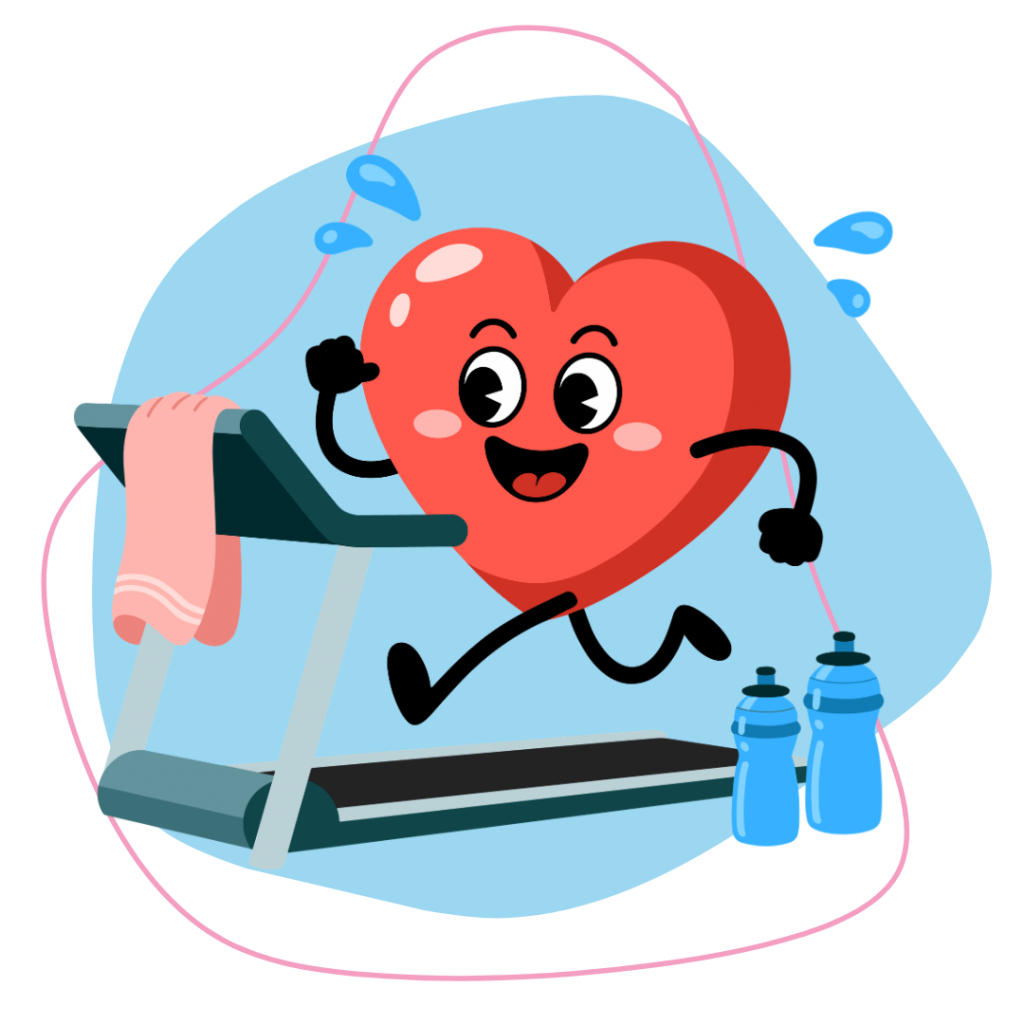
Let’s talk about cardiovascular exercise. Cardio is any type of activity that puts strain on your cardiovascular system. Slow walking typically never increases your heart rate but speed walking could. To build up the endurance of the heart, you have to practise the endurance of the activity. That means walking or biking or running or rowing longer or faster each time you train. This is great for the heart because as your body conditions to the activities, you’ll see your blood pressure lower when at rest. This is because rest is now easy. If your heart is ready to pump for a long time on a run, pumping blood while sitting and working is simple.
Let’s talk about resistance exercise. Resistance training is great because it builds up our muscles and makes our bones stronger. But it’s not that easy because to build up muscle, you have to first, break it down. When we lift weights, the muscle cells in our body break under the load. This means your body has to spend energy to rebuild the cells. The body builds the muscles bigger and stronger so that they don’t break as easily for the next time you lift. The rebuilding phase takes a lot of effort, time, and consistency but in the end, the body will have stronger muscles that can lift heavier loads.
As we build our muscles, we also strengthen and protect our bones. The spine is moved and protected by the muscles that connect to the lumbar vertebrae. Same thing with the shoulder being moved and protected by the muscles of the arm, clavicle, and shoulder blade. When the muscles feel strong, they also feel like they don’t have to go into spasm to protect you. This is why an undertrained muscle can actually get injured more than a trained muscle. If you train the muscles, the body will quiet down the pain signals during movement which ends up fixing a lot of our body’s pain and range of motion dysfunctions.
Last notes – a great goal is trying to get your resting heart rate around 80/120 mmHg with a resting pulse between 40-70 beats per minute. These values are “textbook” healthy hearts. A simple smart watch can help track this data for you.
So remember that when exercise plans for low back pain, sciatic irritation, or osteoarthritis are feeling difficult to keep up with or even start… it will be worth it in the end.
Happy moving, happy healing,
Dr. Cole Maranger