Westside Chiropractic
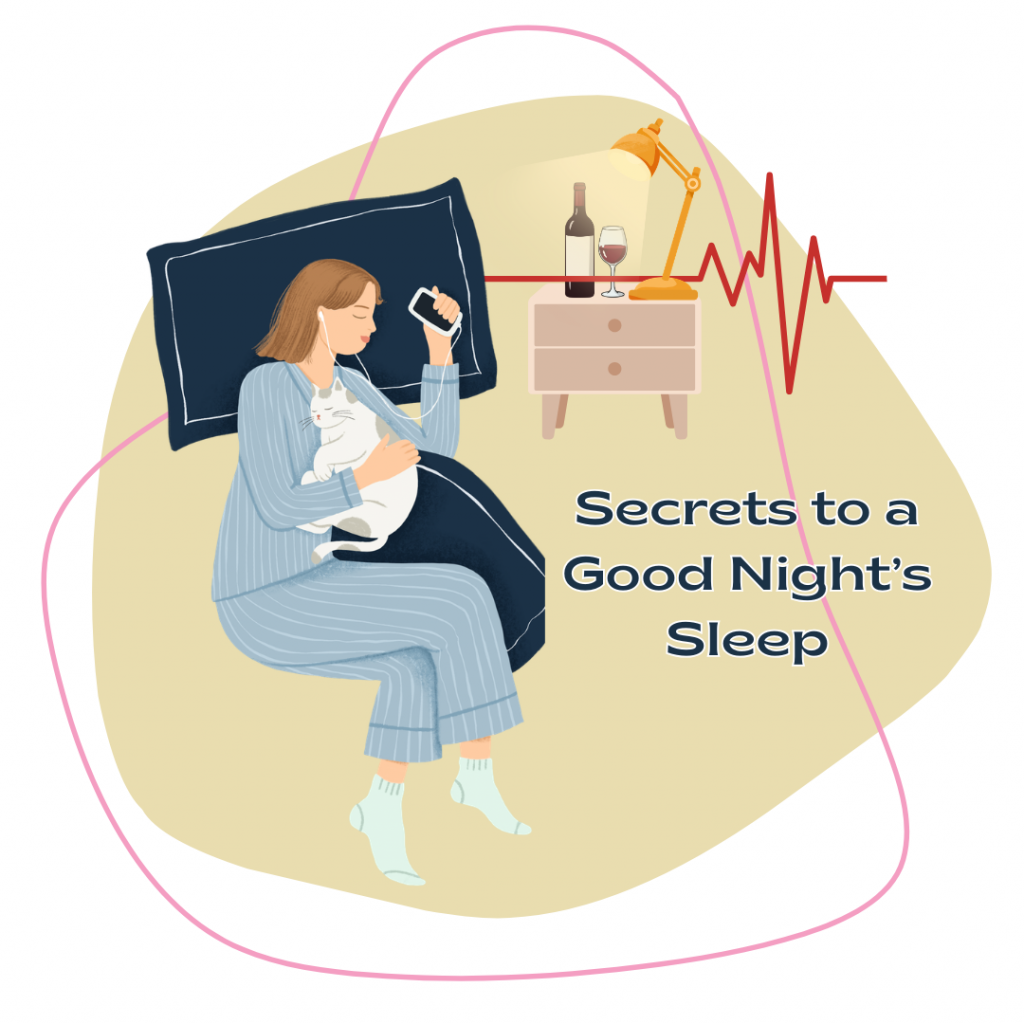
Getting a good night’s sleep can sometimes be an artform. There are many factors that influence how full a sleep can be achieved. Everything from body position changes to keeping a regular schedule influence sleep. Even the physiology of foods can impact dreams and wake cycles.
Body position:
Most neck and shoulder positions are found in stomach sleeper positions. For those who are trying to break an overhead arm posture when they sleep, try adding a huggable pillow for the chest. Using a hug pillow increases comfort and brings the arms down to the torso overnight which can reduce symptoms down the arms and hands.
For side sleepers, look for a pillow with the proper height to rest the neck in a normal position. Another good hack is using a pillow between the knees that repositions the hips and helps to decrease hip strain and pain. A knee pillow is also good for those with knee osteoarthritis or joint pain as it will cushion the pressure from the opposing knee.
If you have cardiovascular disease, diabetes, or an injured foot/ankle, a small foot pillow can reduce swelling. If the ankle is below the level of your heart, it will pool blood in the feet and hinder healing. It can also be a cause for diabetic neuropathies to progress with more tingling in the feet.
If you have neck pain and think your normal pillow may be too small, try adding height before finding a new pillow. Face or hand towels can be put beneath the pillow to increase the pillow height until you know which height is the most comfortable for your neck. Once you know a pillow height that works for you, go shopping!
Physiology:
Alcohol is seen as a way to relax and fall asleep faster but few people know that when the alcohol is broken down in the liver, there is a rebound effect that causes heart rate increase and increased brain activity hours after having a drink. This may explain nights with 2am wakeups after a bottle of wine. It’s best to reduce or eliminate alcohol consumption before bed. Some foods like those high in sugars or caffeine also play a role with your awareness and can affect your sleep.
Light:
Light plays a huge role in the circadian rhythm and the melatonin release in the brain. When there is a lot of white light, blue light, or natural sunlight in an environment, the brain can be tricked that it’s not night time. For best sleep patterns, try to limit screen time and dim the lights around you an hour before heading to bed.
Happy snoozing!
Dr. Cole Maranger